
May 2026
Songs with conditional type 3:
If it hadn't been for love - Adele
Why didn't you believe - The Hollies
WRONG conditional clause (starting at 1.13) : Almost is never enough - Ariana Grande
Sage
- Adam F. I Will Survive
- Gloria Gaynor Why Didn't You Believe
- The Hollies Love to Love You
- The Corrs The Outside
- Taylor Swift Everything Familiar Has Disappeared
- Empire! Empire! It Could Have Been You
- Journey Should've Said No
- Taylor Swift Shoulda, Woulda, Coulda - Brian McKnight
March 2026
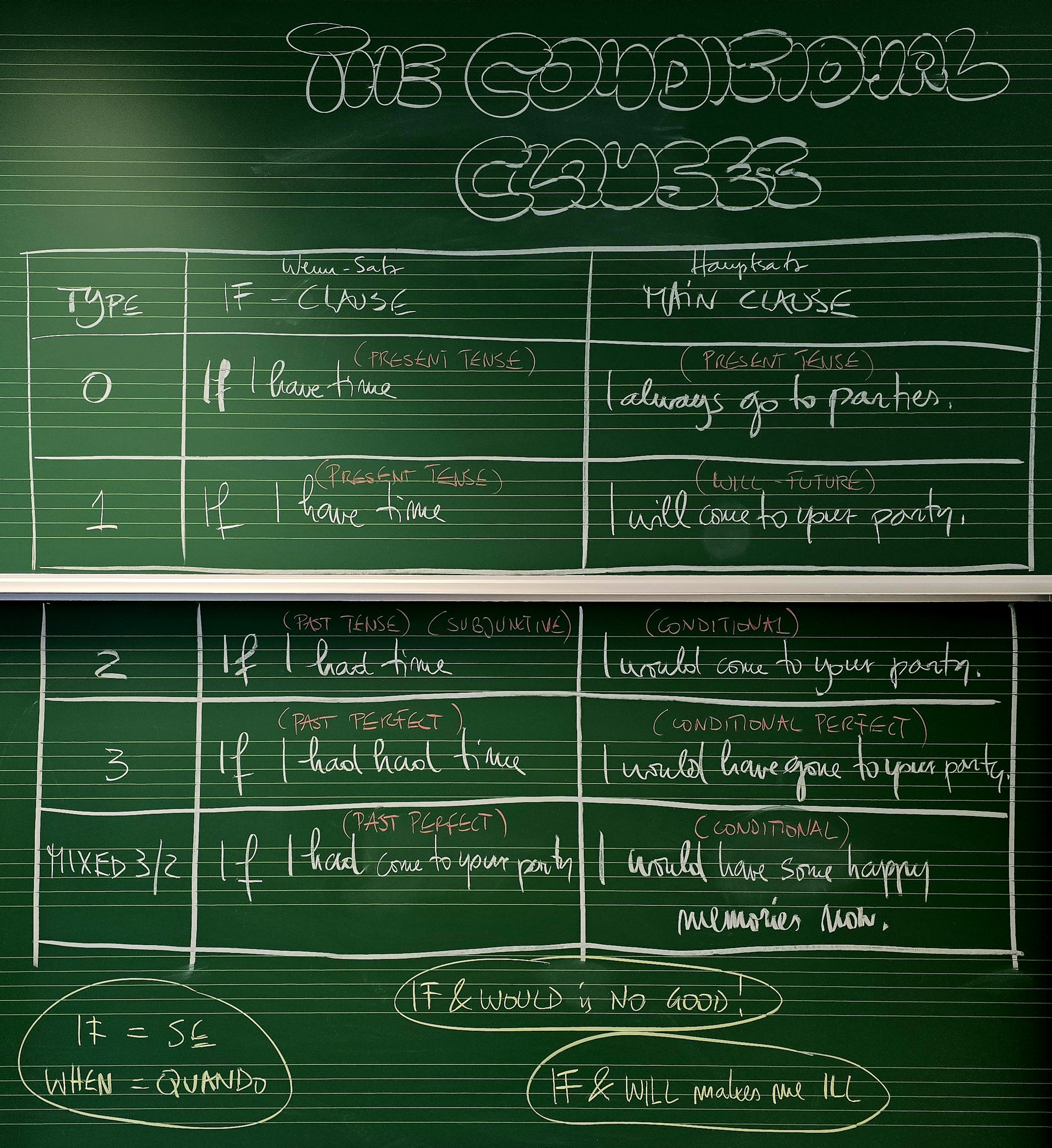
The Conditional Clauses
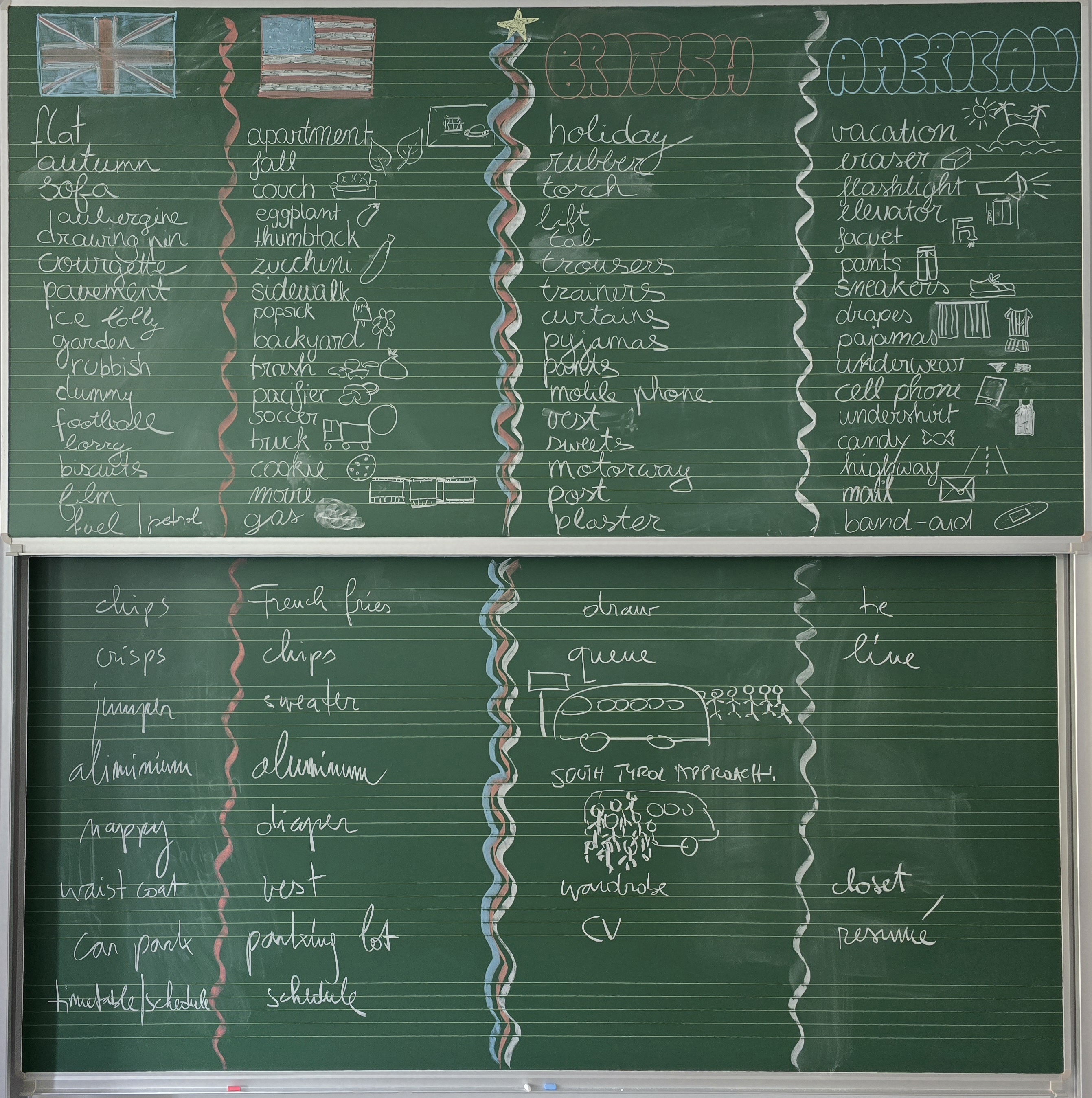
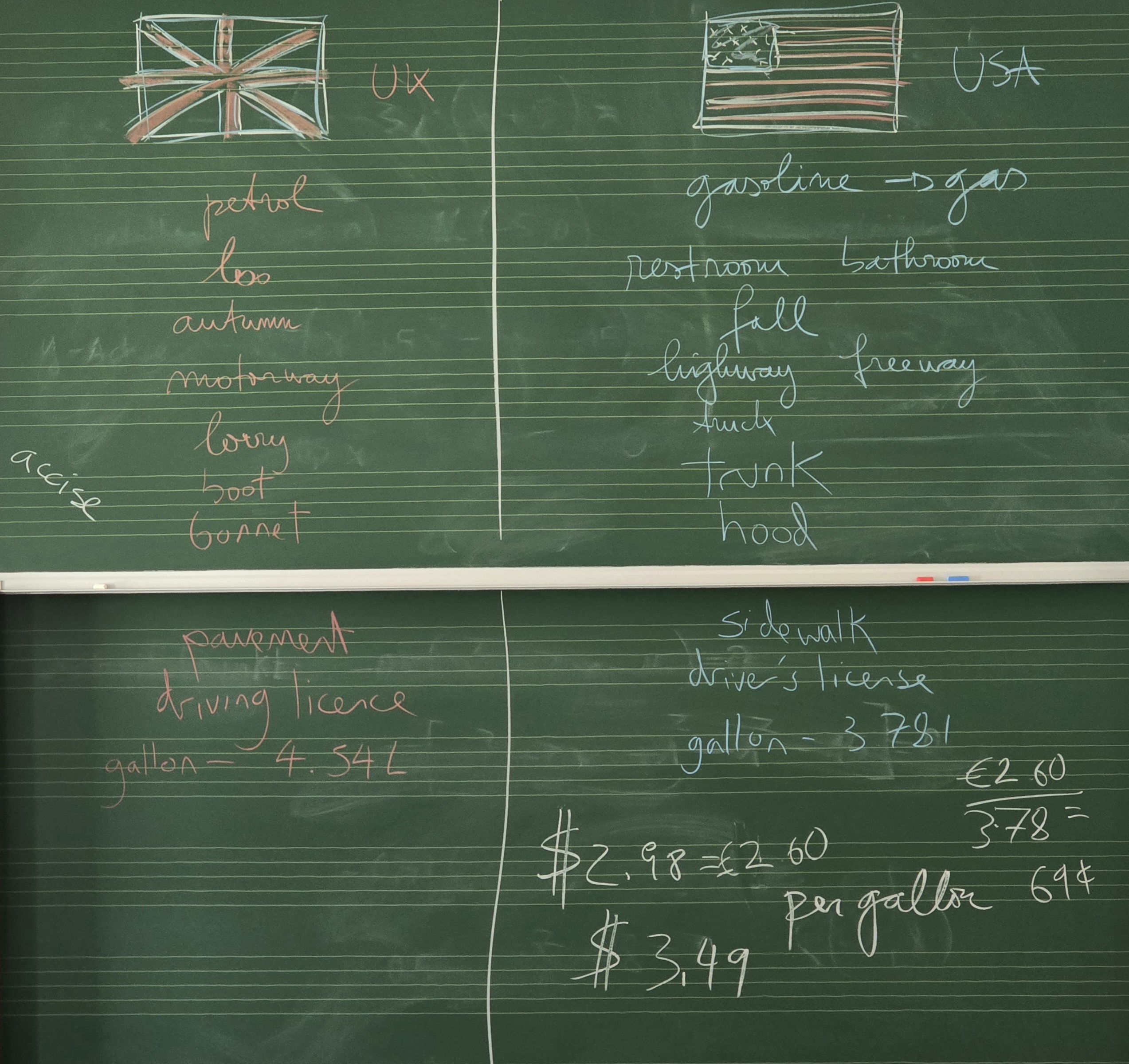
British vs American English
Interesting websites:
1937: Let's call the whole thing off (Fred Astaire and Ginger Rogers)
1956: Ella Fitzgerald and Louis Armstrong: Let's call the whole thing off
50 Differences Between 🇬🇧 British English Vs American English 🇺🇸 Vocabulary Words | Boost Word Power
February 2026
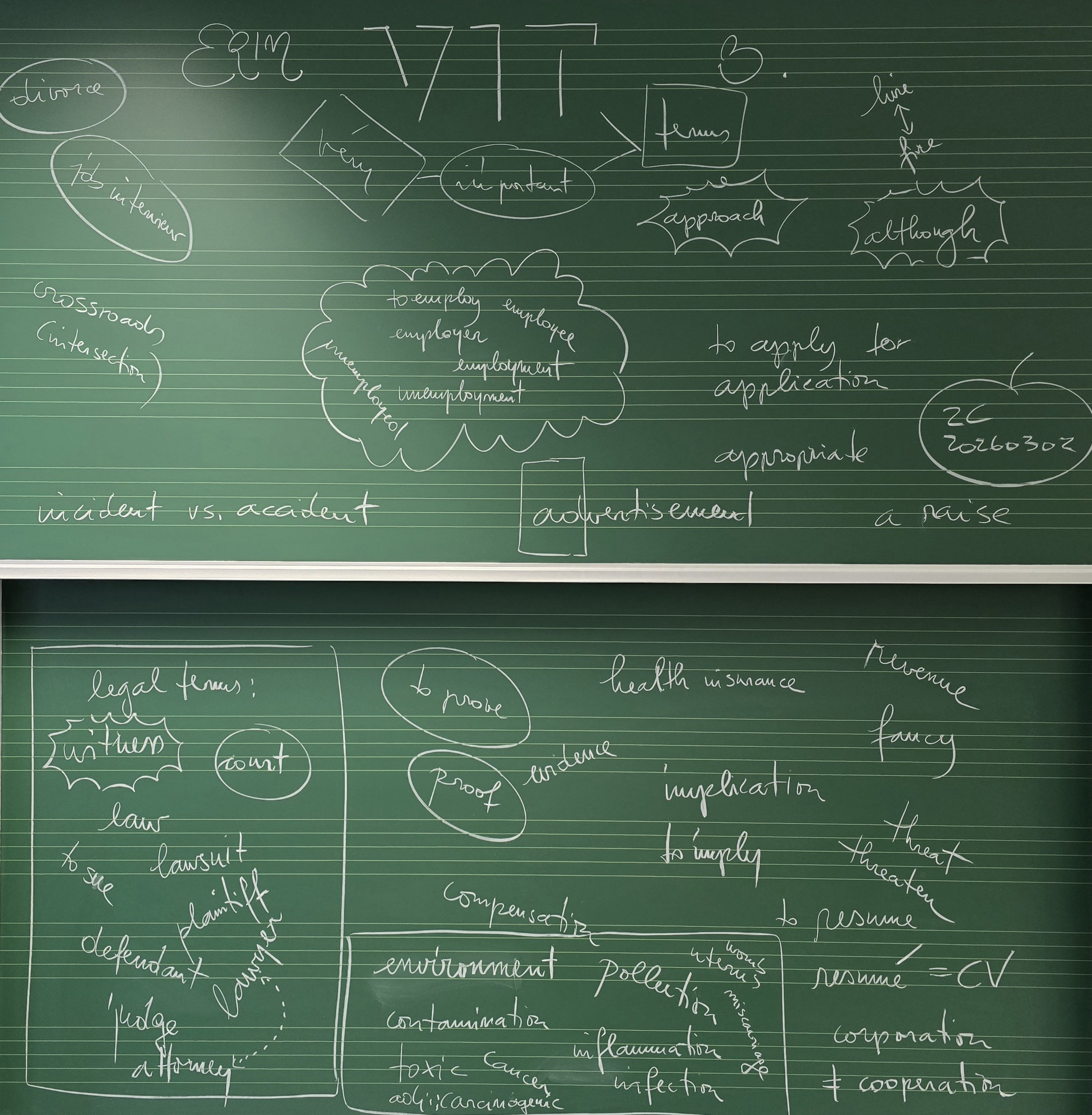
Detailed synopsis of Erin B. - Quiz 1 (anonymous version)
Detailed synopsis of Erin B. - Quiz 2 (anonymous version)
Detailed synopsis of Erin B. - Quiz 3 (anonymous version)
Detailed Synopsis of Erin B. - Quiz 4 (anonymous version)
Detailed Synopsis of Erin B. - Quiz 5 (anonymous version)
Detailed Synopsis of Erin B. - Quiz 6 (anonymous version)
Detailed Synopsis of Erin B. - Quiz 7 (anonymous version)
Detailed Synopsis of Erin B. - Quiz 8 (anonymous version)
Detailed Synopsis of Erin B. - Quiz 9 (anonymous version)
Study these questions about the film:
- Since the plot of this film is based on a true story, where and when did the events shown in the movie take place?
- What was (and is) PG&E?
- What was Erin's situation at the beginning of the film?
- What skills did she have that could help her find ajob?
- Why did PG&E want to purchase property in Hinkley?
- How did Erin get involved in a car accident?
- Why do you think the judge and the jury blamed Erin for the car accident even though it had not been her fault?
- How did Erin look for a job?
- Why did she not have a resume?
- How did Erin finally find and get a job?
- Was Erin qualified to work in a lawyer’s firm?
- How did Erin get in touch with George, her neighbor(u)r?
- What did George offer to do for Erin when her nanny dropped the kids off at George’s place without telling her anything?
- What made Erin curious about the Jensen file?
- Why did Ed Masry fire Erin?
- Why did Ed Masry re-employ Erin only a few days later?
- Why did Erin talk to a toxicologist at UCLA about chromium?
- What did the toxicologist at UCLA say about hexavalent chromium?
- Why do you think had PG&E paid the medical expenses of the Jensens?
- Why was Ed Masry afraid of suing PG&E about the contaminated groundwater at Hinkley?
- What did Erin look for and find at the local water board?
- How did Erin persuade the attendant at the water board to give her access to the documents that incriminated PG&E?
- Who offered 250,000 dollars to whom and for what?
- Why did Ed Masry not accept this sum?
- More and more plaintiffs turned up as time went by. How did this affect Ed Masry and Erin?
- Why did Ed Masry have to take up a mortgage (what does that mean?)
- When did Donna Jensen call her children telling them to get out of the pool, and why?
- What was Ed Masry’s fee?
- What did Erin do to collect evidence against PG&E?
- Why did Ed Masry enquire with other law firms?
- What did PG&E Corporate claim about the groundwater contamination in Hinkley?
- Why did Donna Jensen ask Erin if she was still “technically a woman”?
- What was PG&E’s next compensation offer?
- Why did Erin call that offer a “lame-ass-offer”?
- Why did George walk out on Erin?
- Why did Ed Masry seek Kurt Potter’s cooperation in this case?
- What did Kurt Potter and his assistant Teresa suggest to do instead of suing PG&E in each single plaintiff’s case?
- What was “binding arbitration”?
- How did Erin react to Kurt Potter’s cooperation?
- Why did Erin say to Teresa that she had “two wrong feet in f… ugly shoes”?
- How did the plaintiffs react to the proposal to submit to binding arbitration?
- How did Ed Masry persuade most plaintiffs that binding arbitration was the “best shot”?
- How did Erin and Ed get all the plaintiffs to sign for binding arbitration?
- How did Erin find documents that proved that PG&E corporate knew after all about the contaminated groundwater at Hinkley?
- How much did PG&E have to pay in the end?
- How much did the Jensens get?
- How did Erin inform the Jensens about the sentence of the judge?
- Why was there no possibility to appeal the judge’s decision?
- Ed Masry’s photo was published on the front cover of the “Los Angeles Lawyer” magazine. The caption said “Goliath Beware” – what does that mean?
- How “inappropriate" was Erin’s bonus and how did she react to Ed’s claim that it was inappropriate?
► Short Synopsis of the film with gaps and word box (pdf)
► Link to a site with information about the real story on which the film is based
► Erin Brockovich on Wikipedia
26 January 2026
YouTube Podcast: Jonathan Haidt on gen Z fragility, social media, and the cult of saftey.
Listen to the podcast and answer these comprehension questions (pdf)
Location Guide: Where the answers to these 25 questions can be found in the podcast (pdf)
12 December 2025
Read and comment on the list of arguments (pro/con) created by ChatGpt:
Optional: Read the articles linked below.
ChatGpt-generated: Arguments against and for the ban (pdf)
BBC: Australia has banned social media for kids under 16. How will it work?
The New York Times: Australia’s Social Media Ban for Children Takes Effect
The Wall Street Journal on YouTube: Australia’s Social Media Ban: Teens React to the U16 Rule | WSJ
ABC News: Australia's social media ban for kids under 16 goes into effect
1 December 2025
Answer the following questions about the Australian Social Media Ban:
- Will the teenagers be punished if they don't cancel their account?
- Will the parents of the teenagers be punished if they don't cancel their account?
- Who will be responsible for the implementation of the ban?
- What is going to happen to existing photos and posts on current accounts?
- What will happen when the teenagers turn 16?
- Will official ID be used to identify the age of the users?
- Why do you think most of your classmates support this ban, in principle?
- What might happen if the under 16s use the email address of their parents or older siblings?
- While the big social media providers are often criticized, it is also true that they do implement some security filters for their young users. If the under 16s try to find other ways, might that turn out to be more dangerous than the original accounts with the large providers?
- Will the parents be able to give permission to their daughters/sons to use their accounts?
- How are the large corporations (TikTok, Snapchat, Instagram, etc...) affected by the ban going to identify the age of their users?
- What might the teenagers who are desperately trying to circumvent the ban do that is more dangerous than the use of the social media in the first place?
- Will VPN solve the problem for the teenagers trying to find a way around the ban?
- Might some parents be upset that they can no longer decide what their kids are allowed to do or not? What would you tell those parents (pros/cons)
- Which social media providers won't be affected by the ban (according to the information sources that you have)?
- Will the under 16s be able to watch YouTube videos at all?
- Given the fact that even many teenagers do think that social media use is problematic, what might be done to solve the problem, if a ban is not the ideal solution?
- Will long-distance friendships be destroyed - for ever?
- Will bullying subside?
- Would it be better to ban all phone use in schools and leave the rest as it is?
- Can this ban be compared to the alcohol ban for minors?
- Will the under 16s suffer because they lose access to online help provided by influencers, as the testimonial of that young lady on cnn.com seems to imply?
- What alternatives might be implemented to address the problem, if it's not the ban? Might it be a good idea to educate the young teenagers, to try and change their behaviour, and to teach them how to recognize dangerous scam?
Interesting and relevant words:
algorithm regulation VPN bullying age restriction
harmful content scammers predators online saftey digital freedom
identity checks accounts debate concerns public opinion
tech companies providers petition mental health distraction
boredom addiction screen time isolation verification
anti-spoofing content moderation age estimation constitutional rights
facial recognition digital identity fines legislation court challenge
policy thread education prevention measures
unicef.org.au: Social Media Ban explained
cnn.com: What happens when you kick millions of teens off social media? Australia’s about to find out
chatgpt - written summary of this article: (1 long, 1 short)
abc.net.au: Incoming Australian social media ban leaves children vulnerable to phishing scams, experts say
28 November 2025
Chat with Freddie about your selection of topics from the following list:
Teenage Life in the UK in 2025
24 November 2025
Your tasks today:
P. 50
7 November 2025
Continue studying the irregular verbs
- Do all exercises on pages 50 and 51 in your English book
3 November 2025
Revison: 3 tasks:
1. Study the irregular verbs: Repeat quizzes 5.1, 5.2, 5.3, 5.4 on gymme.it/english/grammar-quizzes
If you like, you can also write an interesting, creative text or sentences using the NEW irregular verbs
| arise | arose | arisen | entstehen |
| bear | bore | born(e) | (er)tragen, gebären (*), behalten |
| tread | trod | trodden | schreiten, betreten (**) |
| sweep | swept | swept | fegen |
| spring | sprung | sprung | springen |
| speed | sped | sped | (zu) schnell fahren, sich beeilen |
| bleed | bled | bled | bluten |
| sling | slung | slung | werfen, schleudern |
| bind | bound | bound | (ver)binden |
| fling | flung | flung | schleudern |
| quit | quit | quit | aufhören |
| dwell | dwelt | dwelt | wohnen (***) |
| creep | crept | crept | kriechen |
| sow | sowed | sown | sähen |
| forecast | forecast | forecast | vorhersagen |
| cling | clung | clung | festhalten (****) |
| slide | slid | slid | rutschen, gleiten |
| mow | mowed | mown | mähen |
| wring | wrung | wrung | wringen |
| grind | ground | ground | mahlen |
| spin | spun | spun | spinnen |
| kneel | knelt | knelt | knien |
| wind | wound | wound | winden, spulen (*****) |
(*) Remember: "bear" is pronounced like "wear", NOT like the good drink that's off limits for you. PLUS: The past participle "borne" is used from the perspective of the mother: She has borne a child. From the perspective of the baby: The baby was born three days ago.
(**) "tread" is pronounced like "spread"!
(***) "dwell" is used for special contexts, like: "The hunter-gatherers in the stone age dwelt in caves". Or, with a figurative meaning: "These memories will always dwell in my mind."
(****) "The baby clung to his/her mother." "Let's cling to the facts."
(*****) "wind" is pronounced like "grind", or like "mind". "wound" is pronounced like "hound" or "ground".
2. Have you done the exercises of 10 October? If not, here they are again:
- Page 40, exercise 2 d
- Page 41, listening exercise no. 3, a, b, c, d
- Page 42, vocabulary exercise 5, a, b, c, d
- Page 43: video listening exercise no. 7: Discuss how and why the present perfect tense is used in this video clip
... and pages 44 and 45, all exercises.
3. READ YOUR LIBRARY BOOKS!
October 2025
20 October:
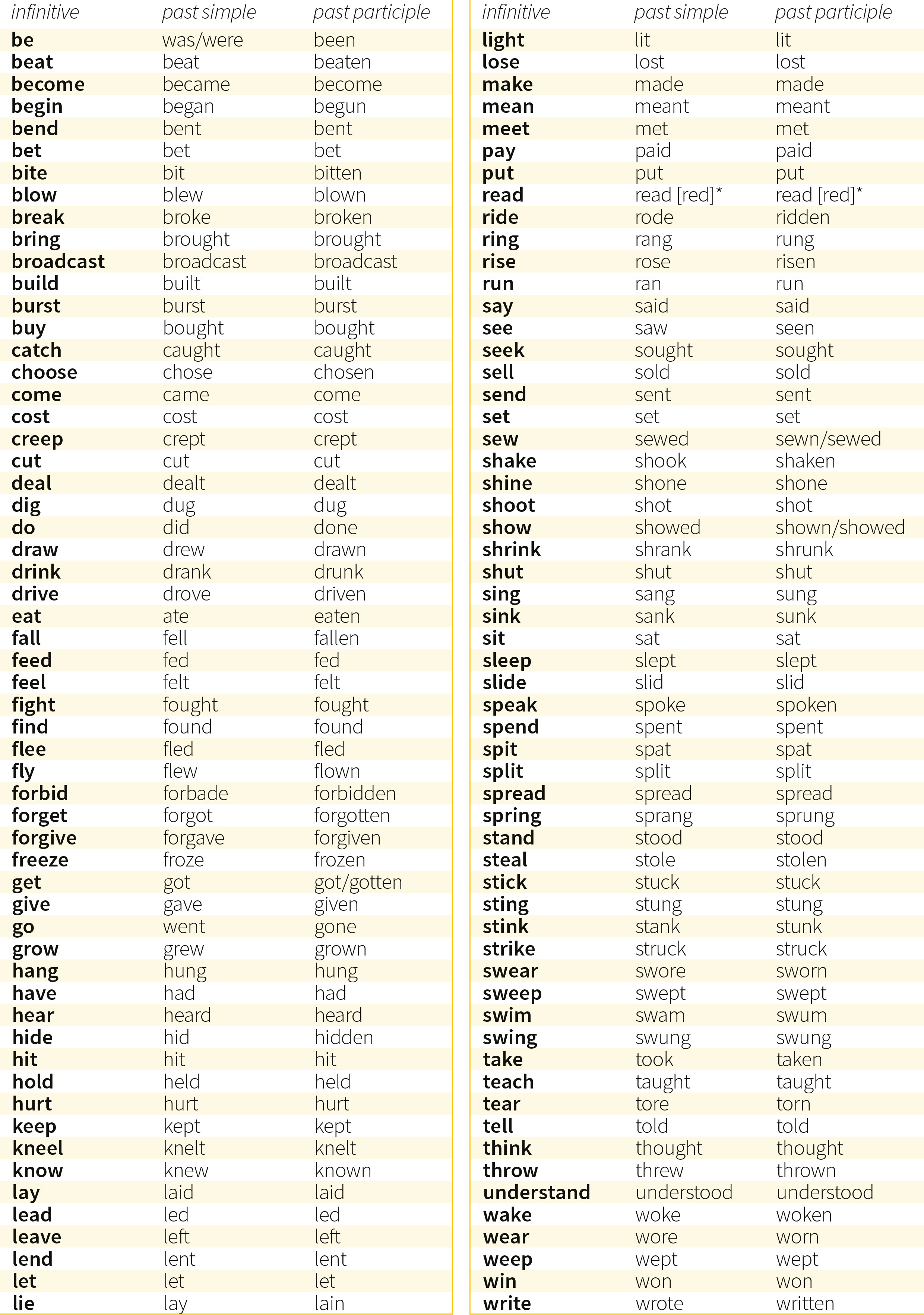
Do the irregular verbs quizzes 5.1, 5.2, 5.3, 5.4 on gymme.it/english/grammar-quizzes
Extract the irregular verbs that are new to you and list them in your exercise book.
Pay attention to this:
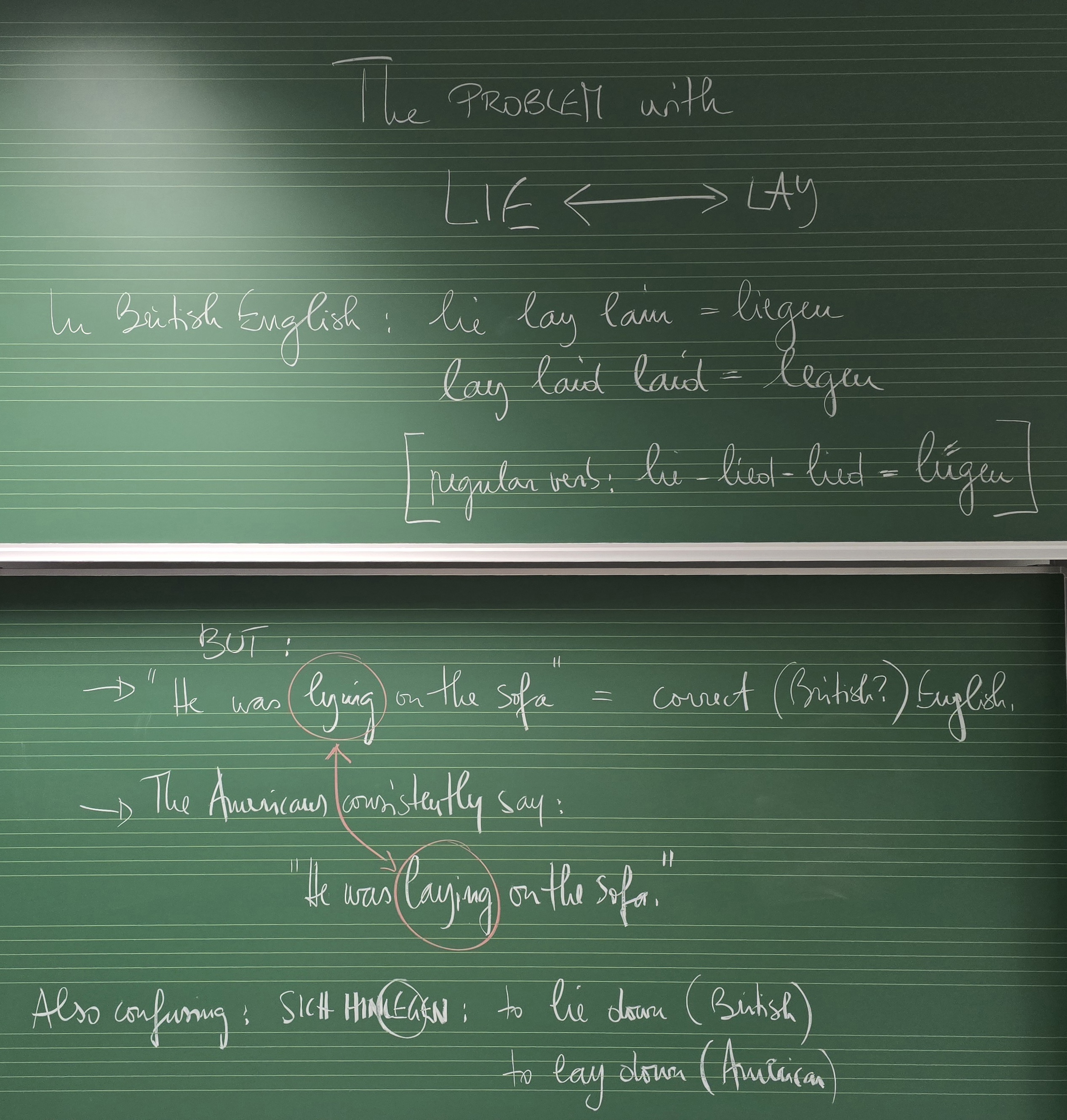
Last year's list of irregular verbs:
When you have finished, do alle exercises in your English book, on pages 44 and 45.
- Do you remember how to compare things? (beautiful - more beautiful - the most beautiful, nice - nicer - the nicest, etc.)
- Have you understood the difference between adjectives ending in -ing, and adjectives ending in -ed? (interesting vs interested, exciting vs excited, etc.)
- can, could, should, must ... etc
10 October:
- Page 40, exercise 2 d
- Page 41, listening exercise no. 3, a, b, c, d
- Page 42, vocabulary exercise 5, a, b, c, d
- Page 43: video listening exercise no. 7: Discuss how and why the present perfect tense is used in this video clip
September 2025
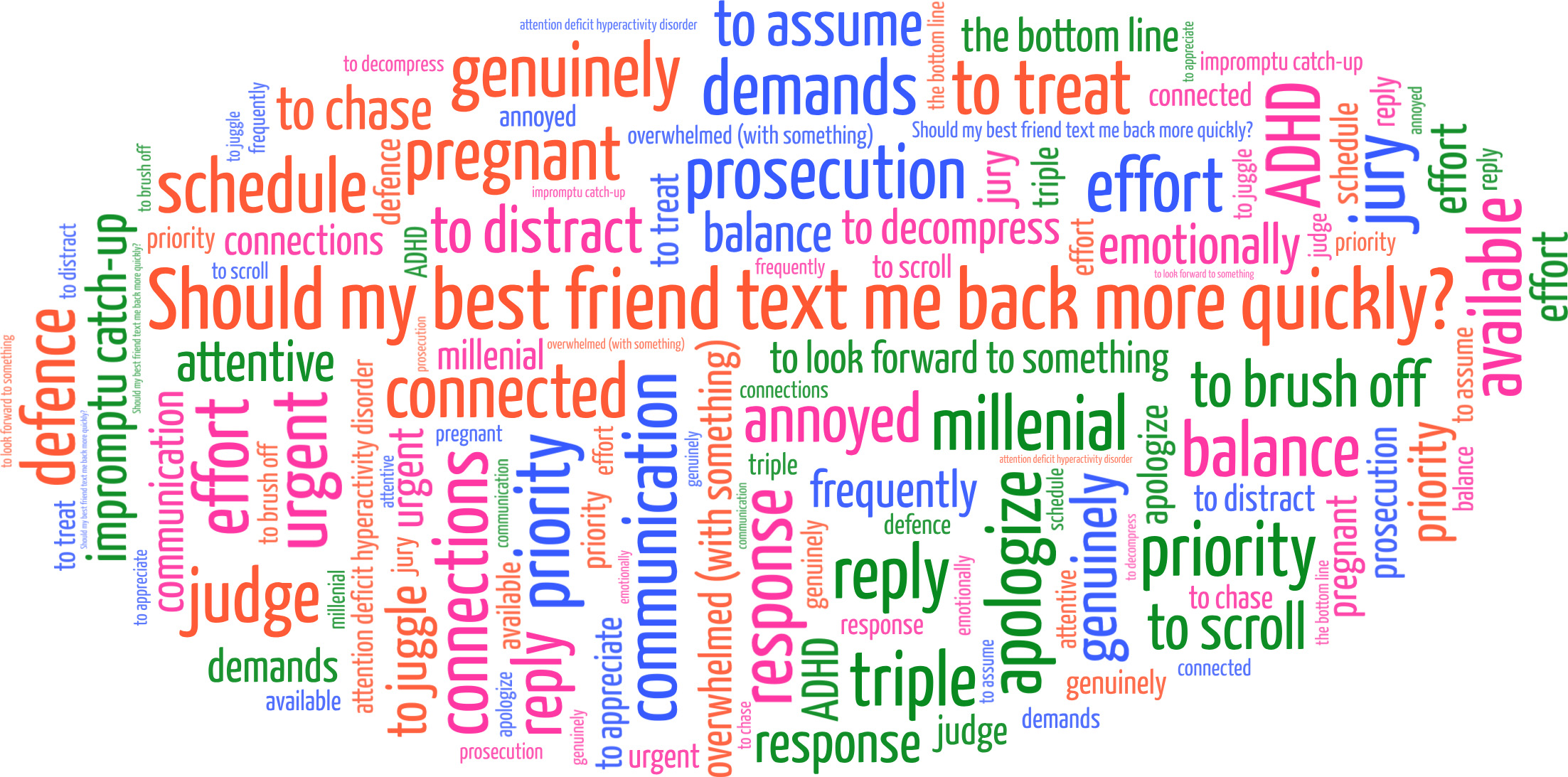
Should my best friend text me back more quickly?
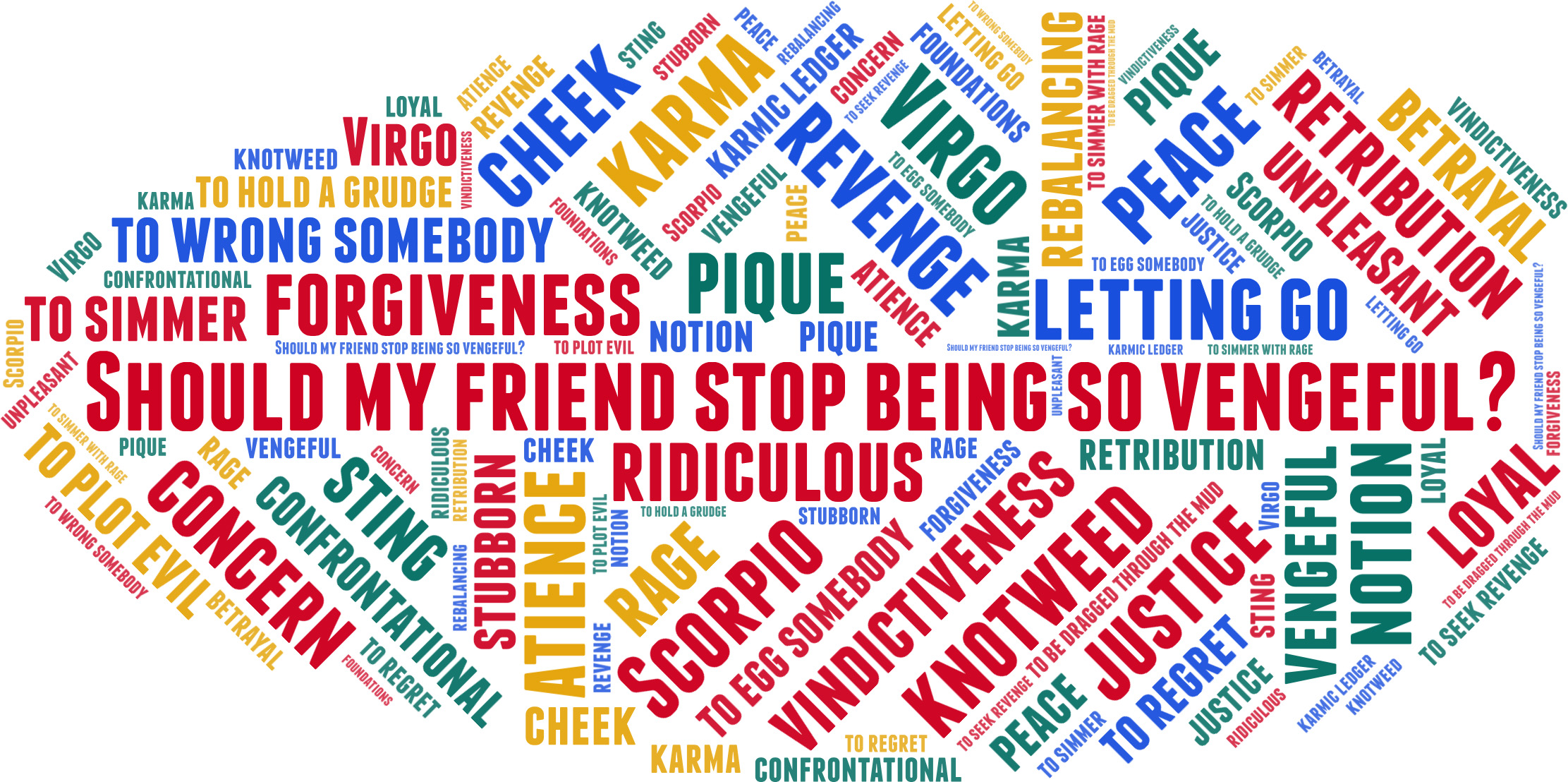
Should my friend stop being so vengeful?
Should my girlfriend stop scrolling on her phone while we’re watching TV?
Should my partner stop trying to kiss me after kissing the cat?
Should my flatmate stop burning incense in our home?
My brother only showers twice a week. Should he wash more often?
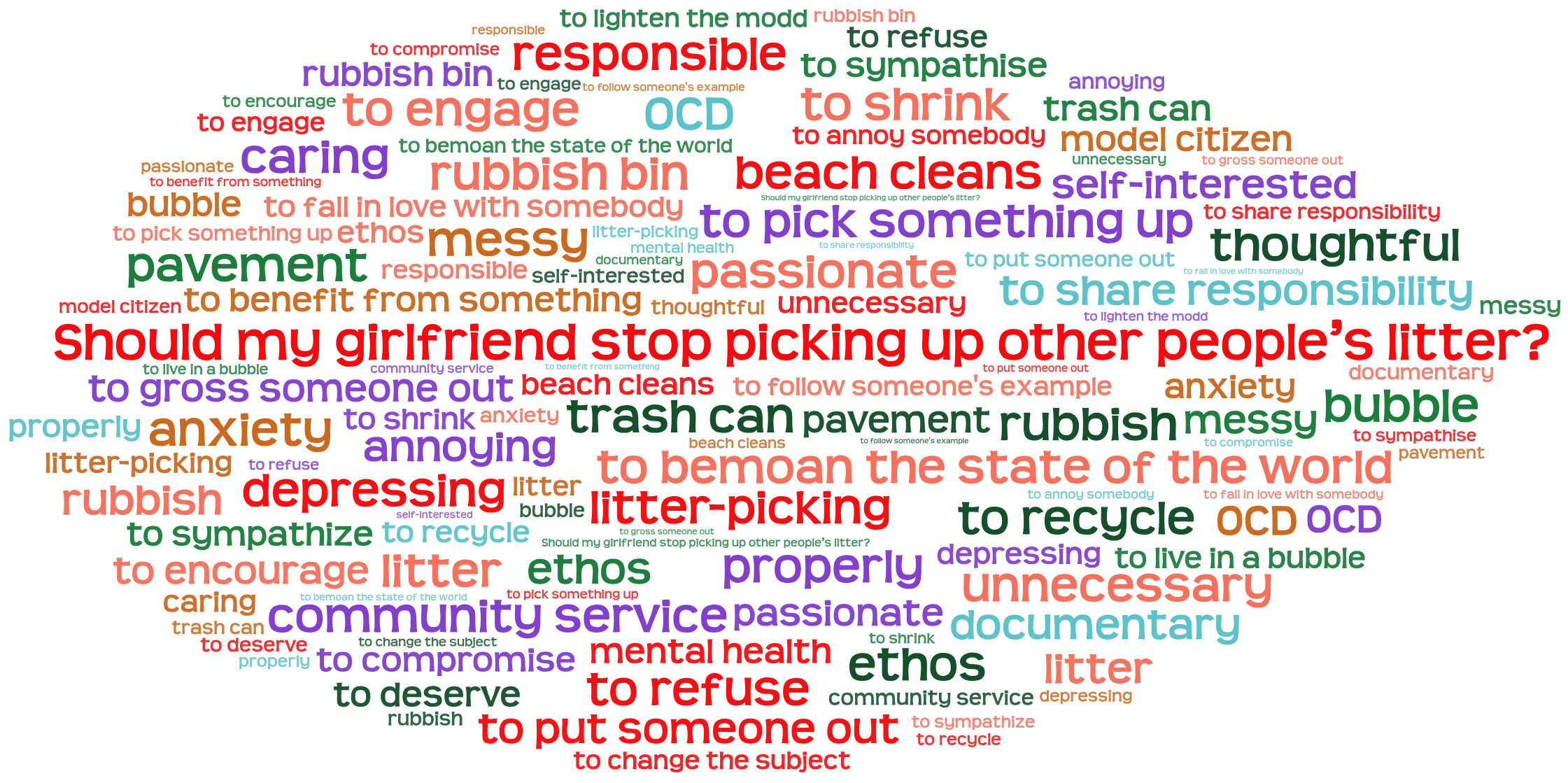
Should my girlfriend stop picking up other people’s litter?
The SUBJUNCTIVE form: In English, the subjunctive often appears in clauses expressing wishes, demands, suggestions, or hypotheticals. The base form of the verb is used, regardless of subject (e.g., “I suggest that he go,” not “he goes”).
In this sentence, “You be the judge” functions almost like an imperative, but instead of commanding an action (“Judge this”), it invites or challenges the addressee to adopt a role temporarily—to imagine themselves as “the judge” in a figurative or evaluative sense.
The subjunctive here makes the statement less about describing reality (you are the judge) and more about assigning a role or urging consideration (assume the position of judge and decide).
In German: SEI du die Richterin / der Richter.
- Mandative subjunctive (after verbs of demand, suggestion, etc.):
- The teacher insisted that he be on time.
- They recommended that she be present at the meeting.
- I suggest that the report be finished by Monday.
- Hypothetical / conditional subjunctive:
- If he be guilty, let him confess now. (archaic style, no longer common)
- Whether it be right or wrong, we must decide quickly.
- Formulaic / fixed expressions:
- God be with you.
- Long be the memory of their courage.
- Blessed be the peacemakers.
More sentences with "be" in the subjunctive form:
- The doctor recommended that she be admitted to hospital immediately.
- It’s essential that everyone be seated before the show starts.
- The committee requested that the proposal be revised.
- His lawyer insisted that he be released on bail.
- They suggested that the meeting be moved to Friday.
- It’s important that the children be taught how to swim.
- The judge ordered that the evidence be preserved.
- So be it.
Notice that the verb "be" in the expressions "she wanted to be", or "he hoped to be..." is in the infinitive form, not the subjunctive.


