English Classes 4C/som 2025-26
19 May 2026
15 May 2026
The History of the USA: Britannica
Crash Course on YouTube: Episodes of American History
21 questions about Far and Away
March 2026
January 2026
SOUTH TYROL Material:
Websites:
Autonomy Experience - with lots of information, e-learning courses and workshops for schools
Autonomous Province Bozen/Bolzano South Tyrol - with further links:
- Autonomy Experience South Tyrol - Eurac Research
- Autonomy Portal (in German, Italian and Ladin)
- The Autonomy Dashboard South Tyrol
- Understanding Autonomy (the podcast on autonomy and minority protection in South Tyrol)
- Policy Brief: The autonomy of South Tyrol in 2024
For more details, please contact the Center for Autonomy Experience.
Autonomous Province Bozen/Bolzano South Tyrol - with "Experiencing Autonomy (pdf) - Facts and data - South Tyrol in figures; One land, three languages; Recent history; Autonomy; Budget."
12 December 2025
Compare and comment on the following articles, and read the list of arguments (pro/con) created by ChatGpt:
BBC: Australia has banned social media for kids under 16. How will it work?
The New York Times: Australia’s Social Media Ban for Children Takes Effect
The Wall Street Journal on YouTube: Australia’s Social Media Ban: Teens React to the U16 Rule | WSJ
ABC News: Australia's social media ban for kids under 16 goes into effect
ChatGpt-generated: Arguments against and for the ban (pdf)
9 December 2025
Written exercise:
Make It More Erudite
1. Kids spend too much time on their phones and it's bad for their sleep. (excessive, adolescents, screen time, adversely, affect)
2. Social media companies want people to use their apps as much as possible so they can make more money. (platforms, maximize, engagement, revenue, incentivized)
3. When kids see other people's perfect lives online, they feel bad about themselves. (exposure, curated, content, self-esteem, negative impact)
4. The apps are made to keep sending you things so you keep looking at your phone. (notifications, algorithms, designed, sustain, attention)
5. Parents worry that their children are on social media all the time instead of doing other things. (concerns, preoccupied, platforms, neglecting, activities)
6. Checking your phone a lot can make it hard to focus on schoolwork. (frequent, compulsive, impair, concentration, academic performance)
7. Some people say that being online too much makes young people feel alone even when they're with friends. (excessive, digital consumption, paradoxically, isolation, physical presence)
8. The apps use tricks to make you want to keep using them. (employ, psychological techniques, encourage, sustained, usage)
9. Teenagers often compare themselves to what they see online and feel like they're not good enough. (engage, social comparison, idealized, inadequate, portrayals)
10. Looking at screens before bed stops your brain from getting ready to sleep. (exposure, blue light, inhibits, production, melatonin)
11. Kids get stressed out when they see how many likes and comments other people get. (anxiety, metrics, social validation, peer engagement, generate)
12. The problem is that these apps are really good at making people want to use them more. (issue, platforms, effective, compelling, continued engagement)
13. Young people feel like they have to check their phones all the time or they'll miss something important. (compulsion, fear of missing out, FOMO, perpetual, connectivity)
14. Using phones too much can make people bad at talking to others face-to-face. (excessive, usage, diminish, interpersonal, communication skills)
15. Some experts think that always being on social media changes how young people's brains grow. (researchers, constant, exposure, neurodevelopment, developmental trajectory)
16. The law tries to keep kids safe from the bad things that can happen on social media. (legislation, aims, protect, minors, potential harms)
17. It's hard to check if someone is really the age they say they are without invading their privacy. (challenging, verify, authenticity, compromising, user privacy)
18. Some people think the ban is good, but others think it might cause different problems. (proponents, beneficial, critics, unintended, consequences)
19. Companies make their apps fun and exciting so people don't want to stop using them. (design, platforms, engaging, stimulating, discourage, disengagement)
20. Doctors who study the mind say that being online too much might be connected to feeling sad or worried. (mental health professionals, excessive, usage, correlation, depression, anxiety)
2 December 2025
Jonathan Haidt, who wrote the book "The Anxious Generation", warned of the devastating consequences of raising children in an environment dominated by smartphones and social media. “We have overprotected our children in the real world and under-protected them online”.
In other words, he claims that our lassez-fair policy is not sustainable.
Let us analyze this claim by studying the latest developments in Australia: The social media ban for children and teenagers under the age of 16, which is a new law that will take effect on 10 December 2025. Other countries, including international organizations like the EU, are watching closely.
Please form (data that FORMS your opinion is inFORMation...) your opinion by reading the following sources (and others, if you like) and discussing and answering the questions below.
unicef.org.au: Social Media Ban explained
cnn.com: What happens when you kick millions of teens off social media? Australia’s about to find out
chatgpt - written summary of this article: (1 long, 1 short)
abc.net.au: Incoming Australian social media ban leaves children vulnerable to phishing scams, experts say
Answer the following questions about the Australian Social Media Ban:
- Will the Australian teenagers be punished or fined if they don't cancel their accounts after 10 December 2025?
- Will the parents of teenagers be punished or fined if they don't cancel their accounts after 10 December 2025?
- What does Jonathan Haidt's book "The Anxious Generation" have to do with this ban?
- With clarity and urgency, Haidt warned of the devastating consequences of raising children in an environment dominated by smartphones and social media. “We have overprotected our children in the real world and under-protected them online,” he says. Do you agree?
- Who will be responsible for the implementation of the Australian ban?
- What is going to happen to existing photos and posts on current accounts?
- What will happen when the teenagers turn 16?
- Will official ID be used to identify the age of the users, according to the provided sources?
- Why do you think 15 year-old teenagers might support this ban, in principle?
- What might happen if the under 16s use the email address of their parents or older siblings, according to the provided sources?
- While the big social media providers are often criticized for their algorithms fostering addiction, it is also true that they do implement some security filters for their young users. If the under 16s try to find workarounds, might that turn out to be more dangerous than the original accounts with the large providers? What do you think?
- Will the parents be able to give permission to their daughters/sons to use their accounts?
- How are the large corporations (TikTok, Snapchat, Instagram, etc...) affected by the ban going to identify the age of their users?
- What might the teenagers who are desperately trying to circumvent the ban do that is more dangerous than the use of the social media in the first place?
- Will VPN solve the problem for the teenagers trying to find a way around the ban?
- Might some parents be upset that they can no longer decide what their kids are allowed to do or not? Do you think some of those parents will deem this measure paternalistic? What would you tell those parents (pros/cons)
- Which social media providers won't be affected by the ban (according to the information sources that you have)?
- Will the under 16s be able to watch YouTube videos at all?
- Given the fact that even many teenagers do think that social media use is problematic, what might be done to solve the problem, if a ban is not the ideal solution?
- Will long-distance friendships be destroyed - for ever?
- Will bullying subside?
- Would it be better to ban all phone use in schools and leave the rest as it is?
- Can this ban be compared to the alcohol ban for minors?
- Will the under 16s suffer because they lose access to online help provided by influencers, as the testimonial of that young lady on cnn.com seems to imply?
- What alternatives might be implemented to address the problem, if it's not the ban? Might it be a good idea to educate the young teenagers, to try and change their behaviour, and to teach them how to recognize dangerous scam?
Interesting and relevant words:
algorithm regulation VPN bullying age restriction
harmful content scammers predators online saftey digital freedom
identity checks accounts debate concerns public opinion
tech companies providers petition mental health distraction
boredom addiction screen time isolation verification
anti-spoofing content moderation age estimation constitutional rights
facial recognition digital identity fines legislation court challenge
policy thread education prevention measures
November 2025
14 November 2025
React to these provocative statements
7 November 2025
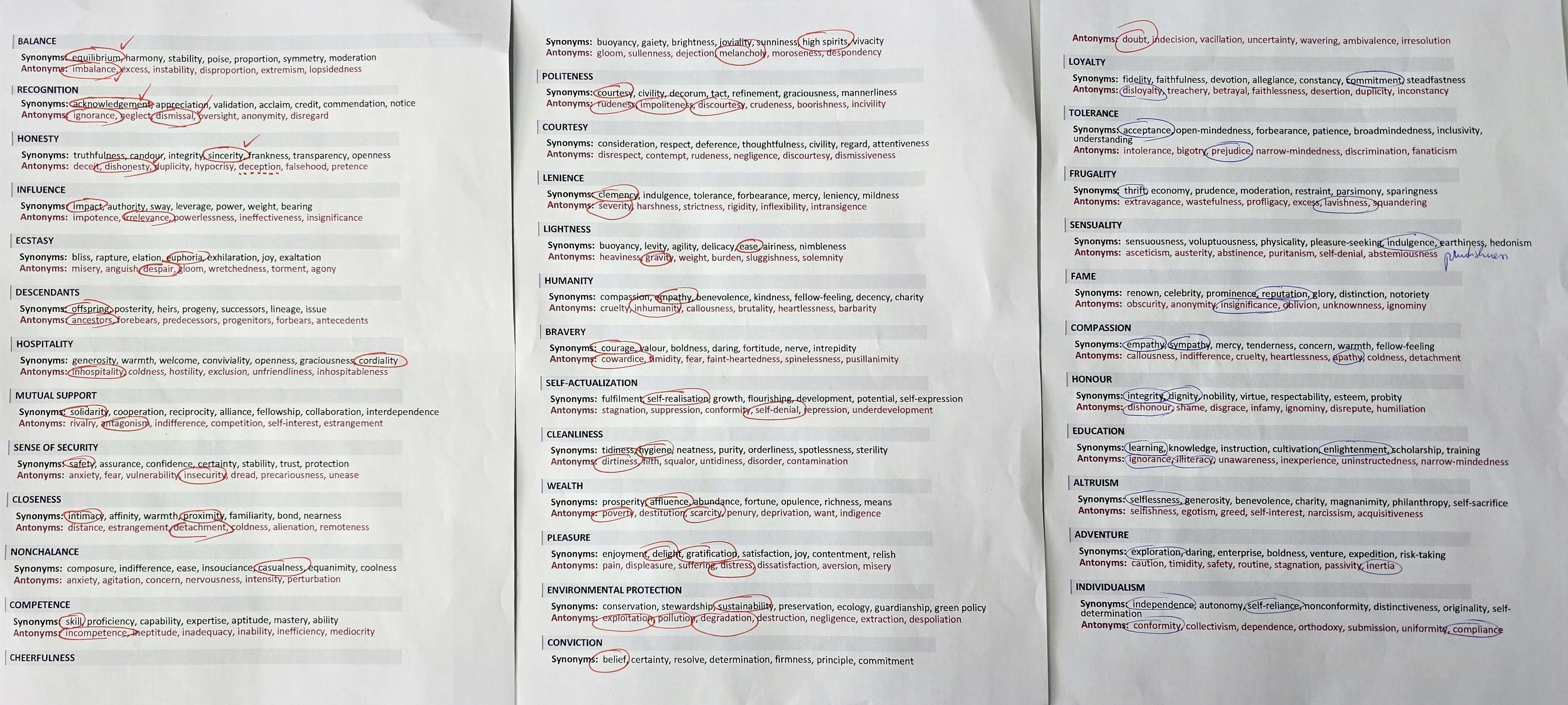
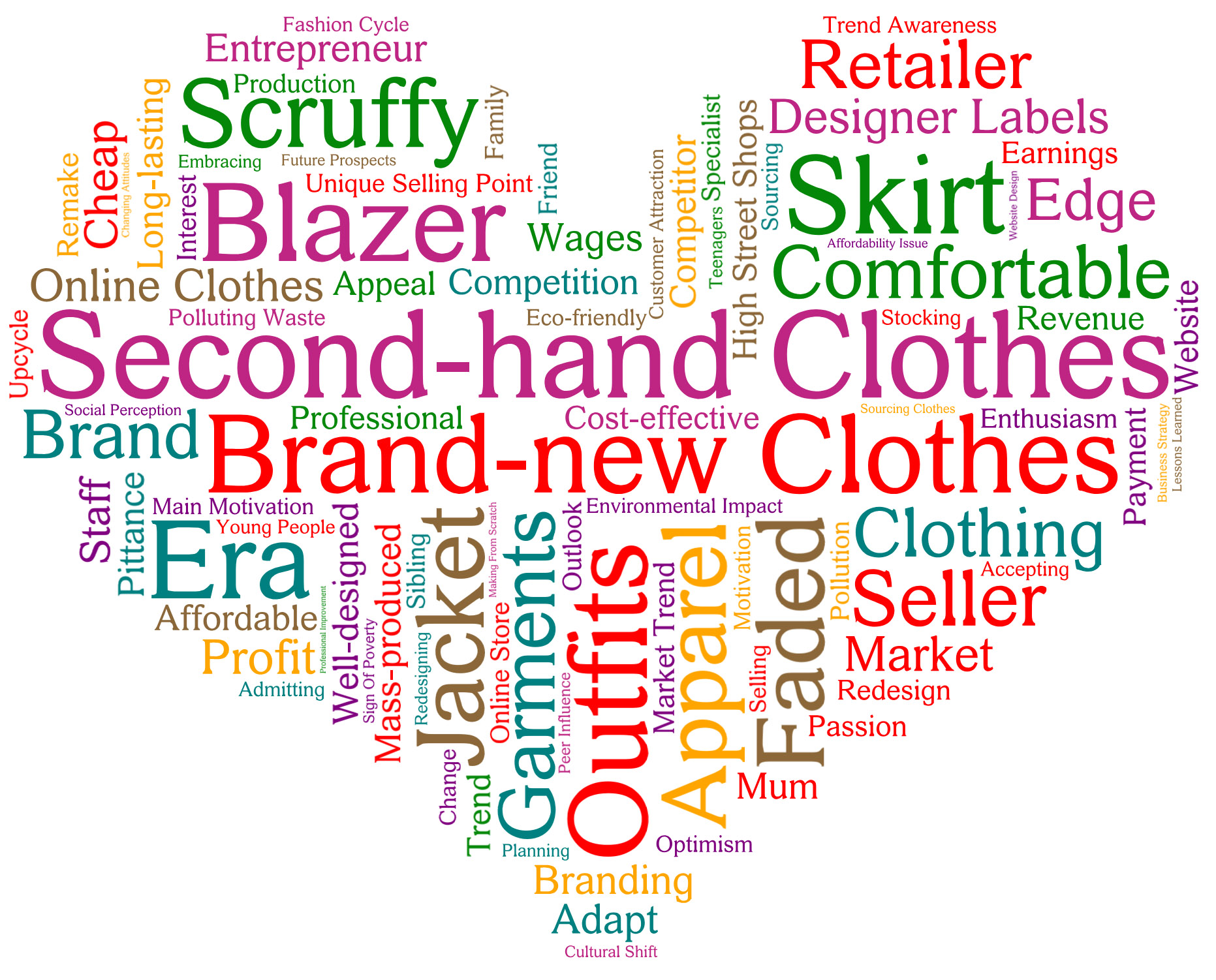
Continue working on your task with the wordclouds.
If, or as soon as you feel you have covered the more difficult words, turn to this task:
LOVING A CHATBOT - Write a comment on this article
October/November 2025
Five more texts about 5 more topics:
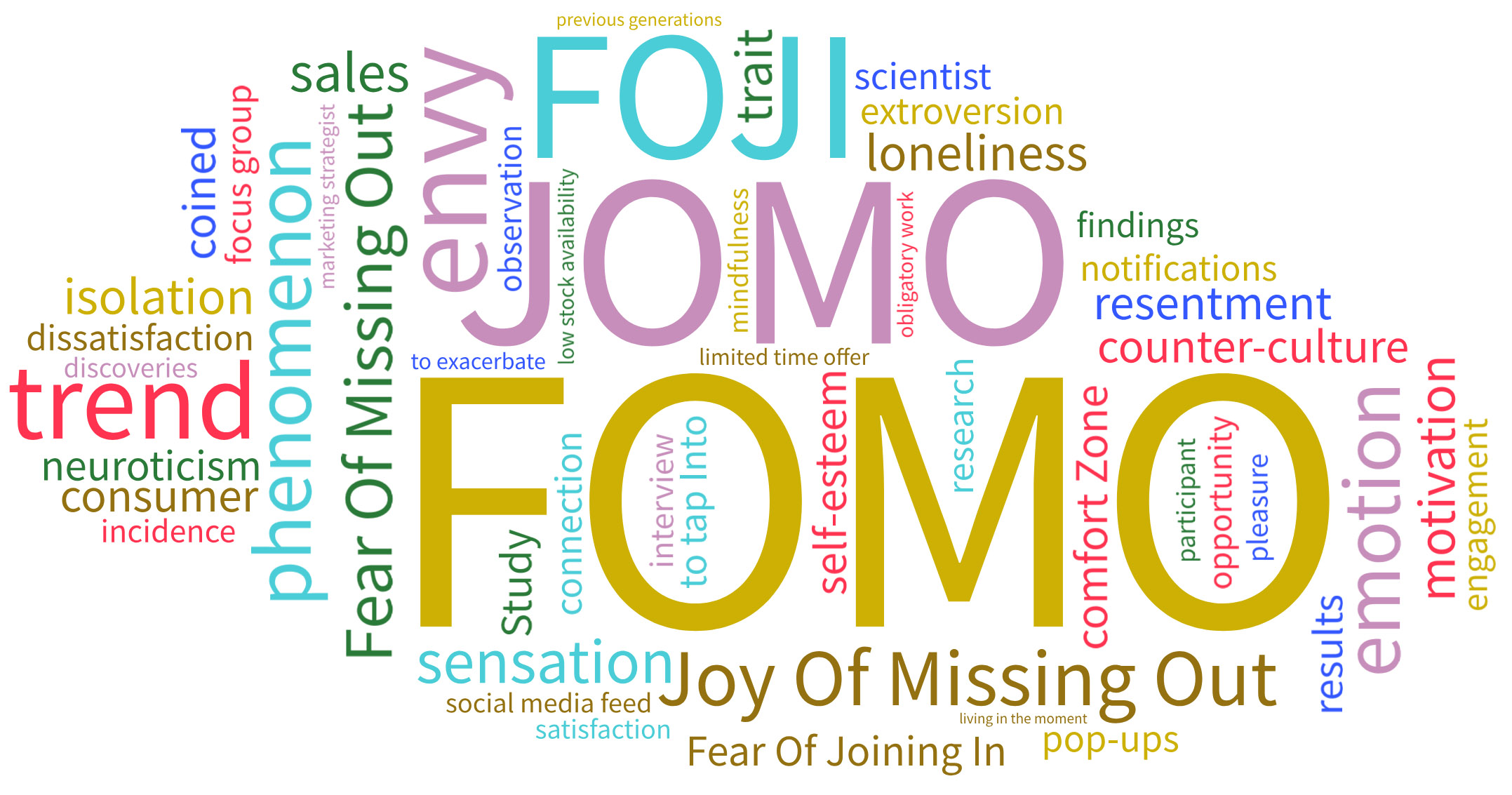
6 FOMO - Fear Of Missing Out (B1+)
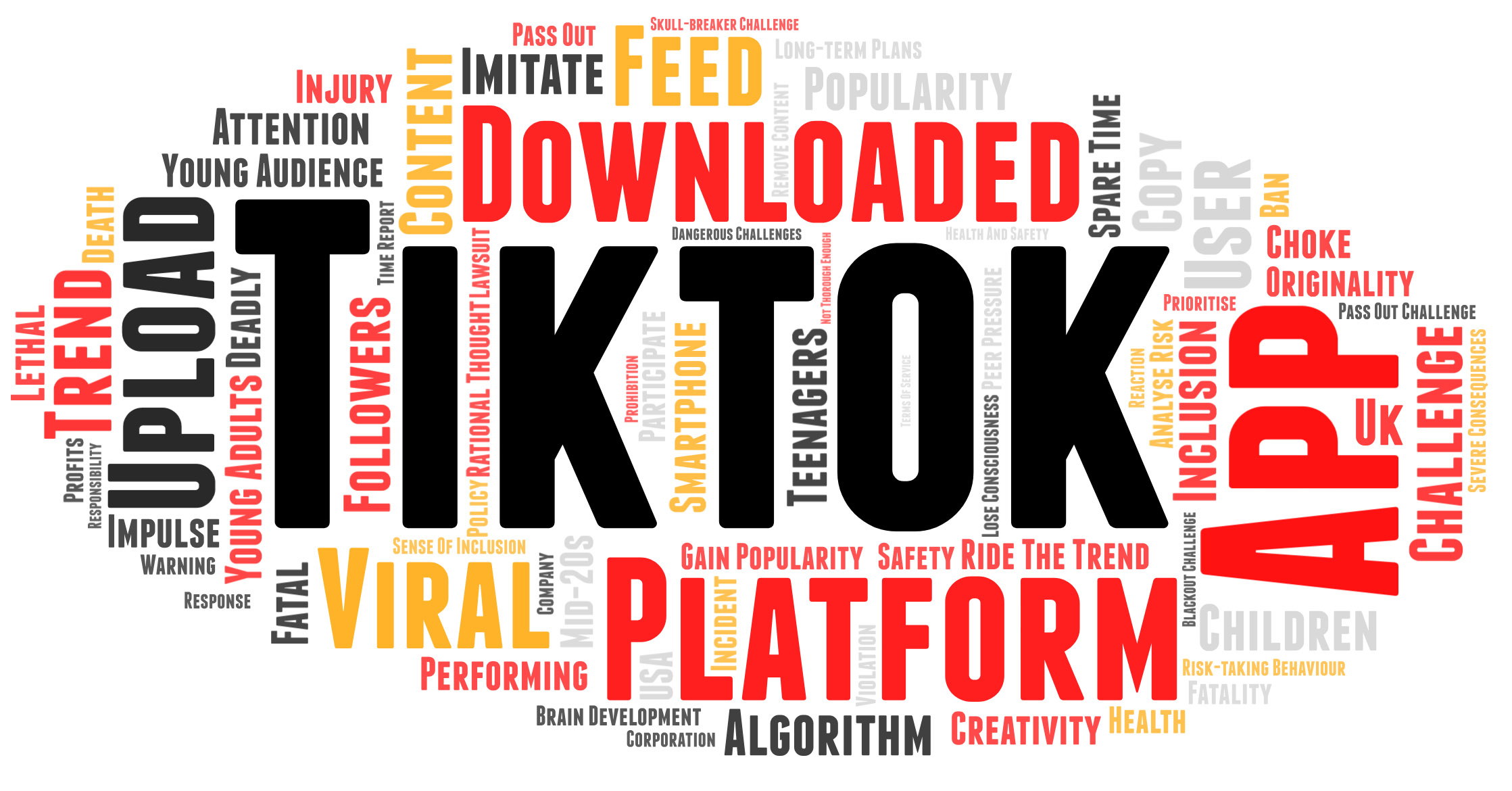
7 Deadly TikTok Challenges (B1+)
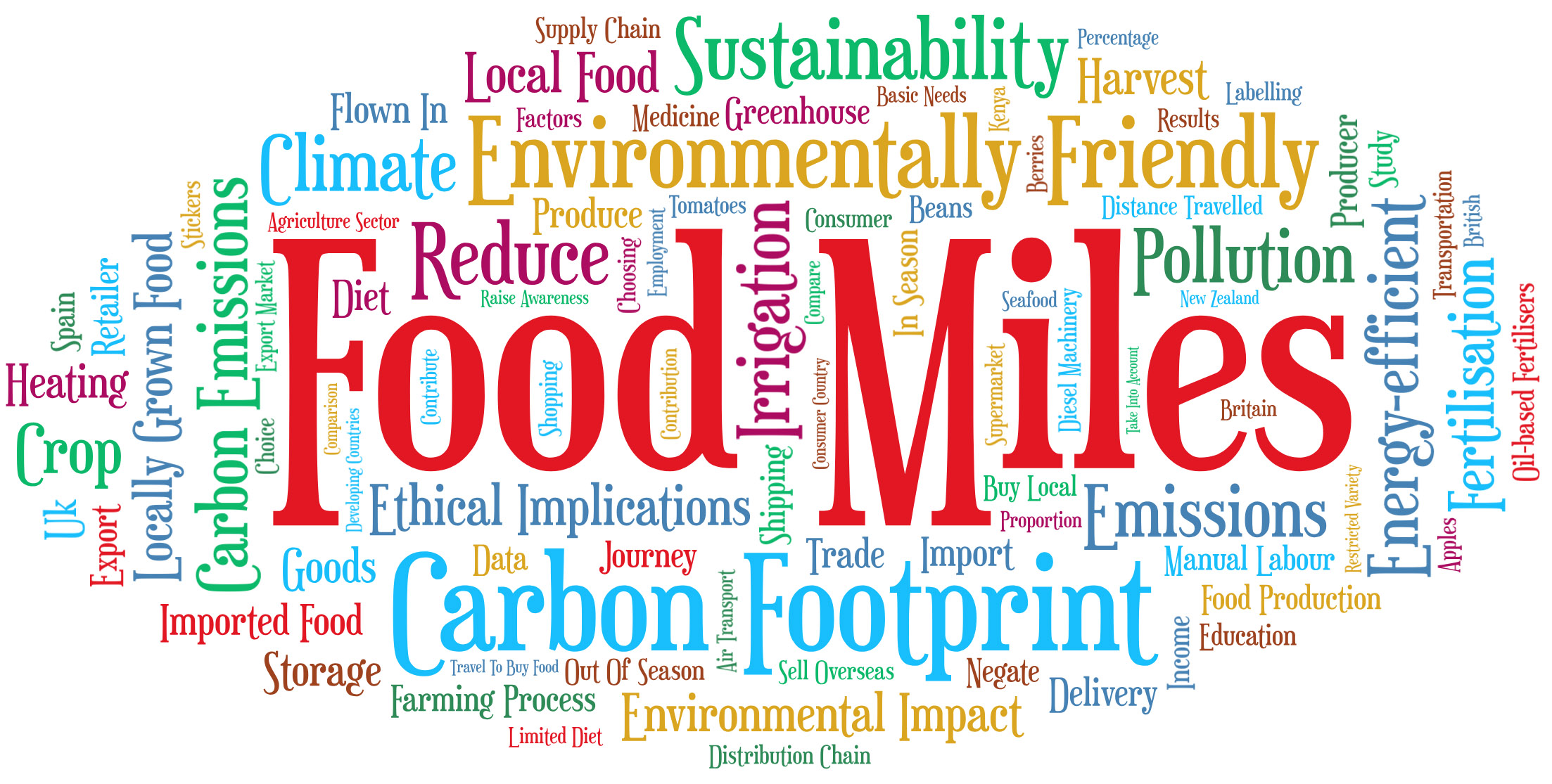
8 Food Miles: Is buying local food always better (B1+)?
9 What type of accommodation best suits you (B1+)
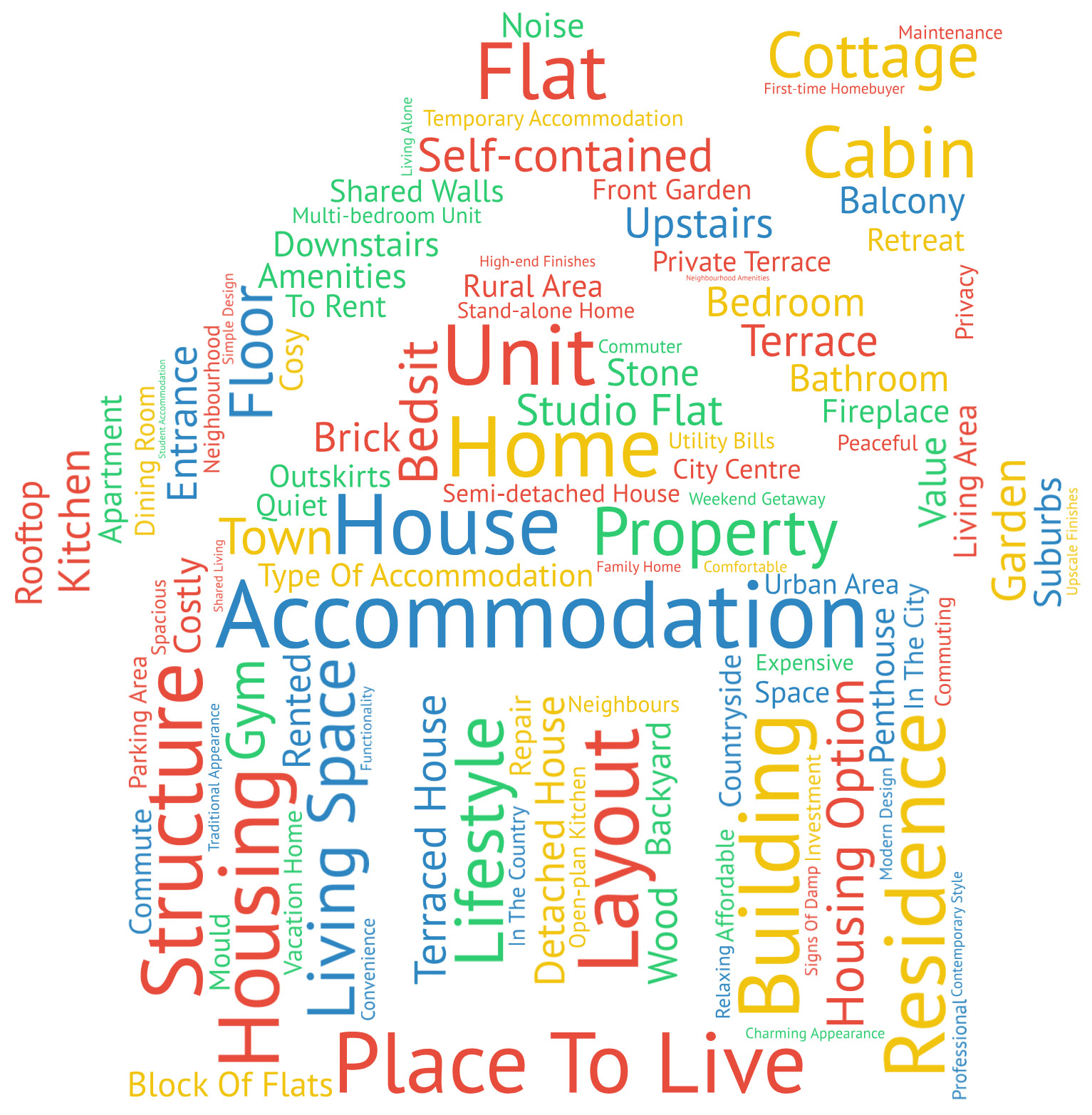
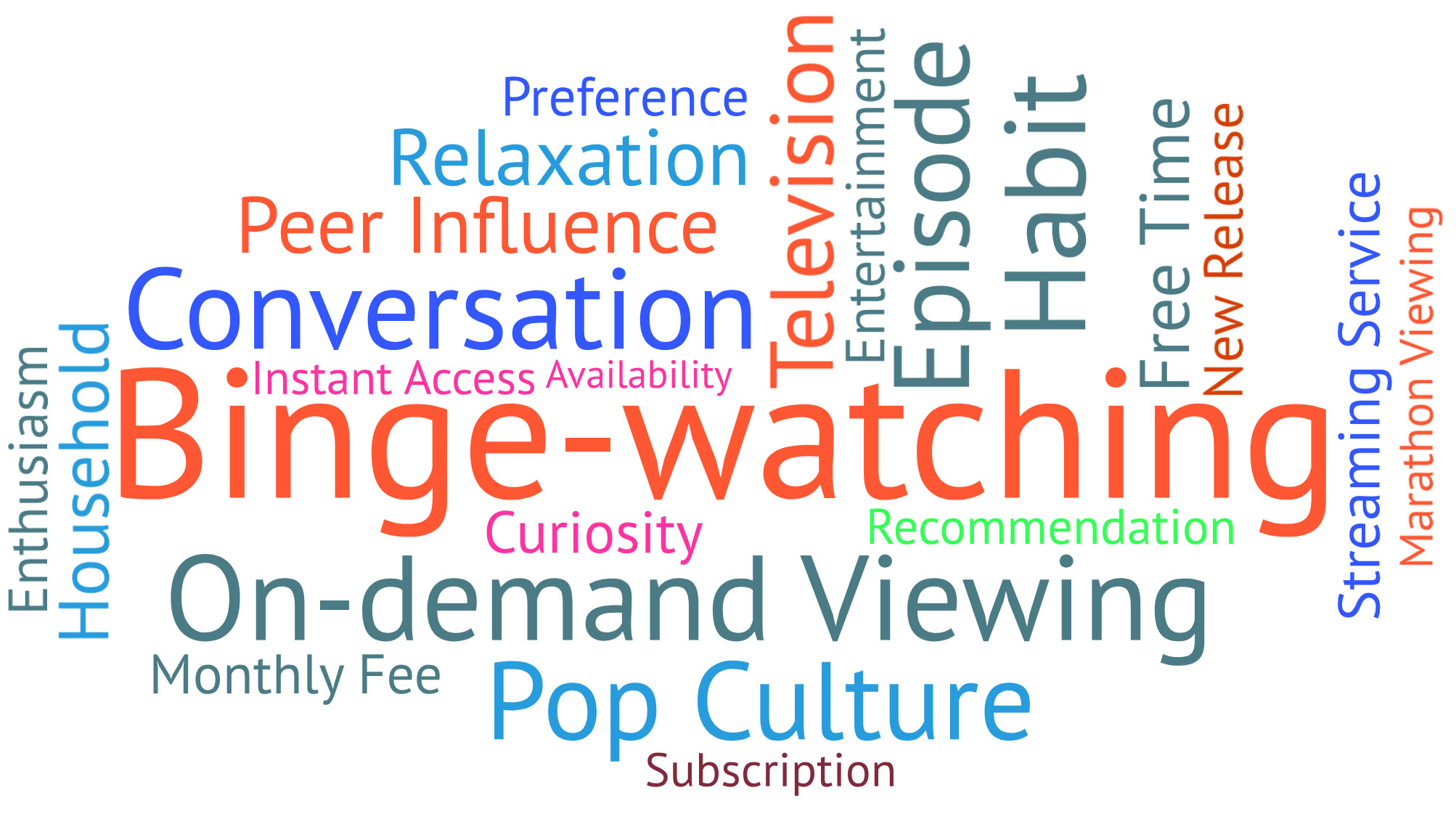
Your Tasks
1. Read and/or discuss all of the 10 texts that you got so far with your classmates.
2. Extract the relevant vocabulary (especially the new, interesting words)
3. Do some more research - if you like you may use LLMs (Large Language Models) - on each topic and take notes.
10 October 2025
Conversations about various topics with the language assistant Freddie:
The class will be split into groups, and one of the following texts will be assigned to each group, to be read aloud (to Freddie and/or to me, and/or to each other), understood, and discussed. You can also do the exercise/test attached to your text.
Of course, you should also look up any words you may not be familiar with.
1 Coolcating: A new travel trend (B2)
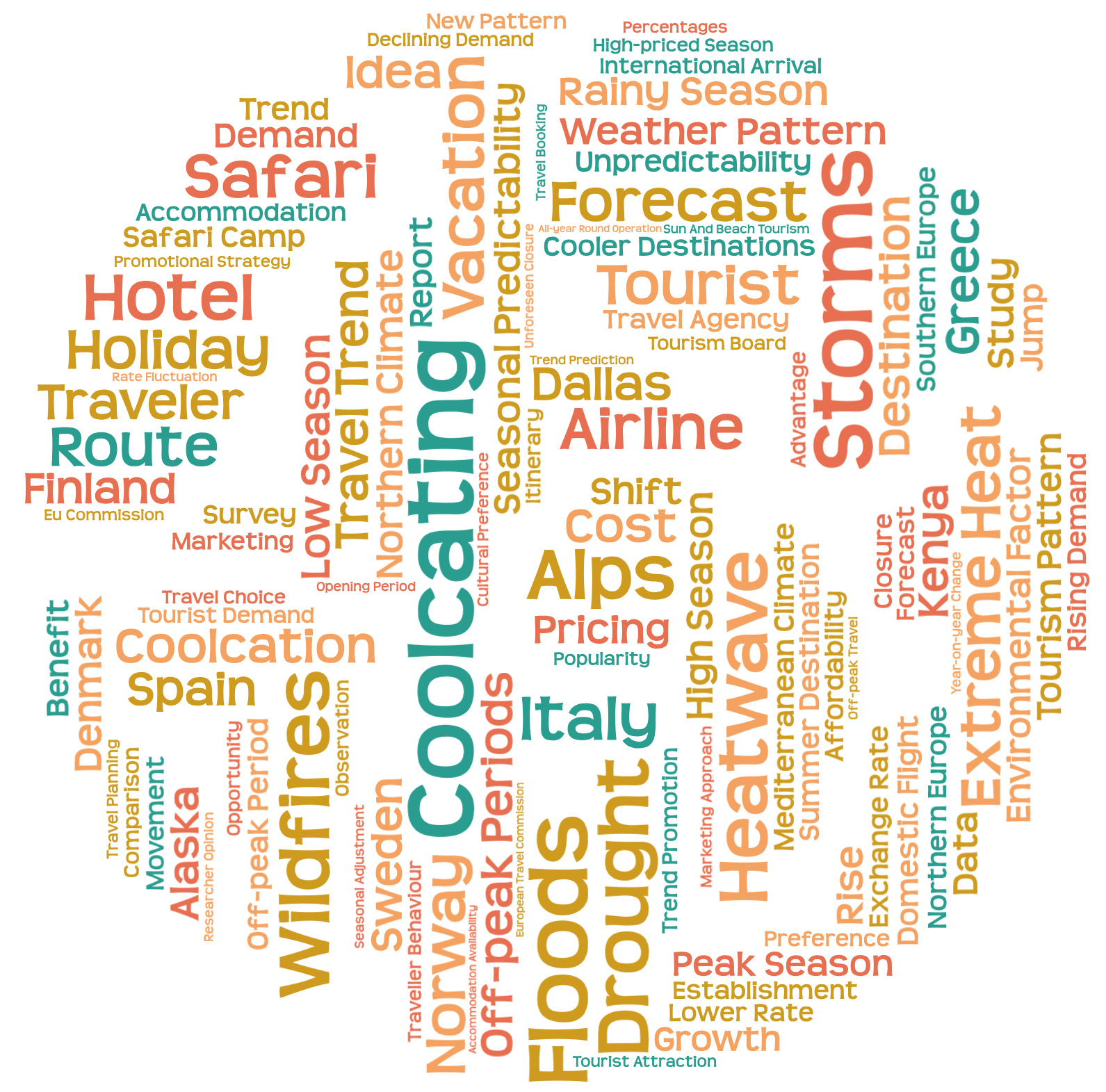
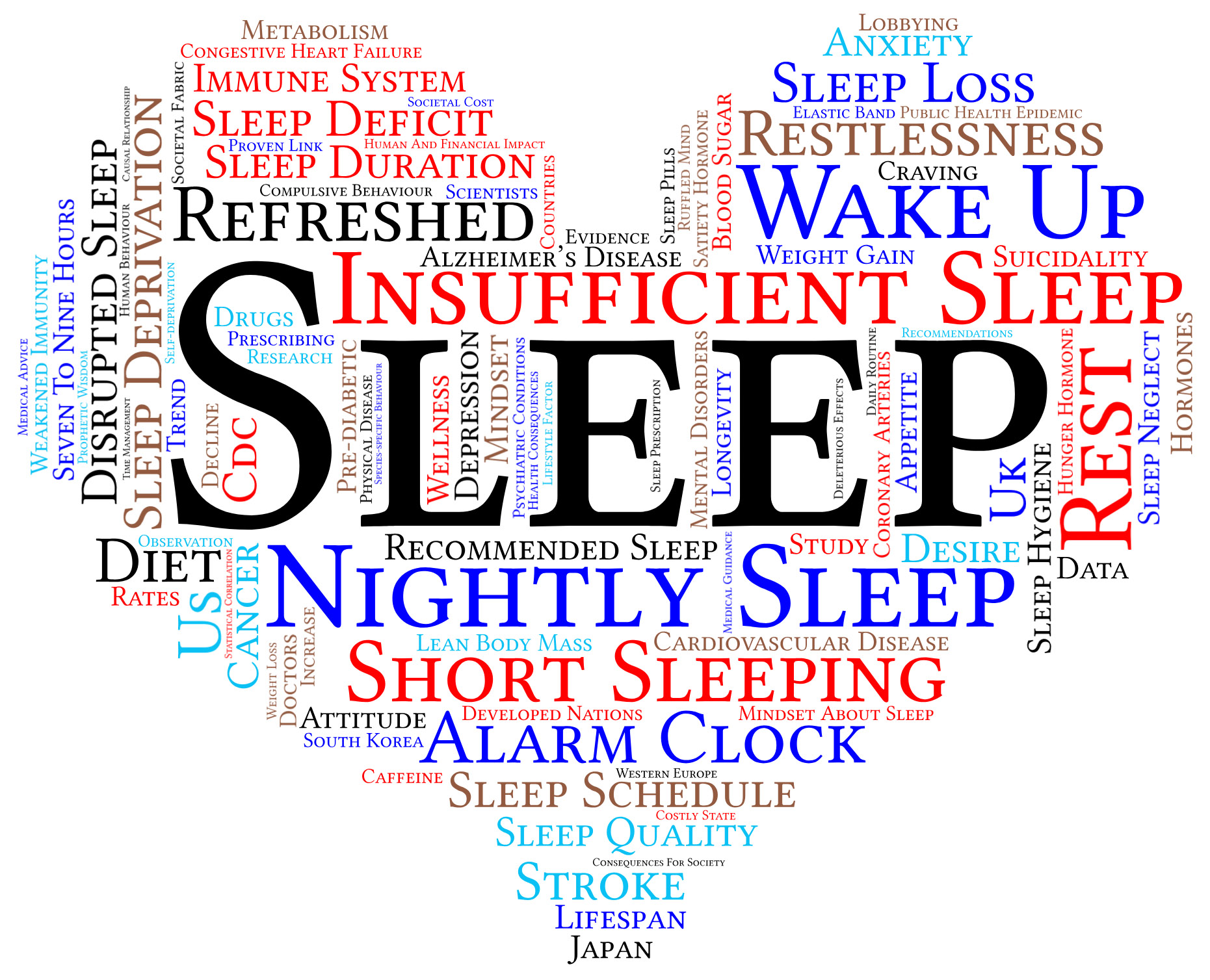
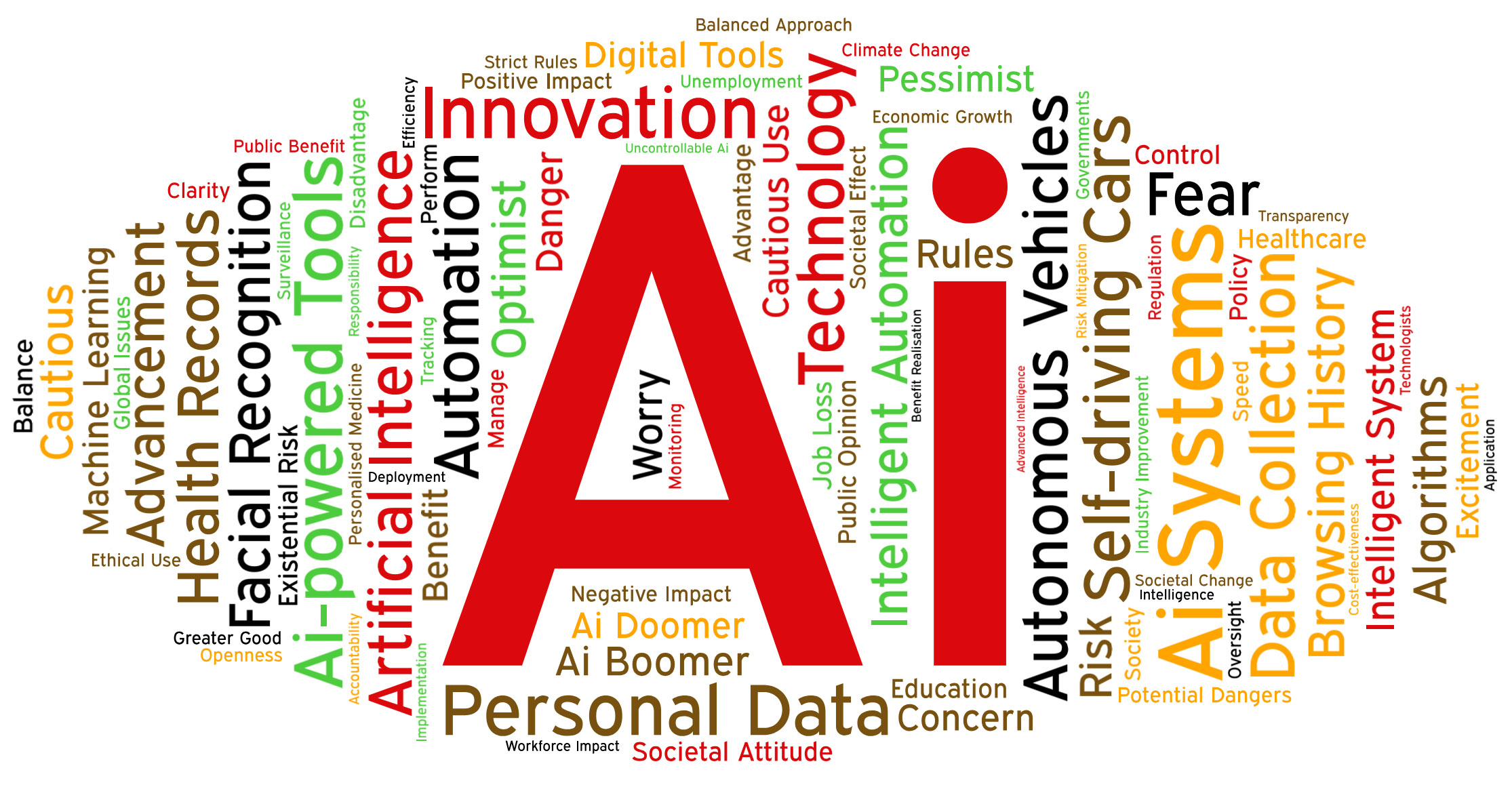
3 AI boomers vs AI doomers (B1 - B2)
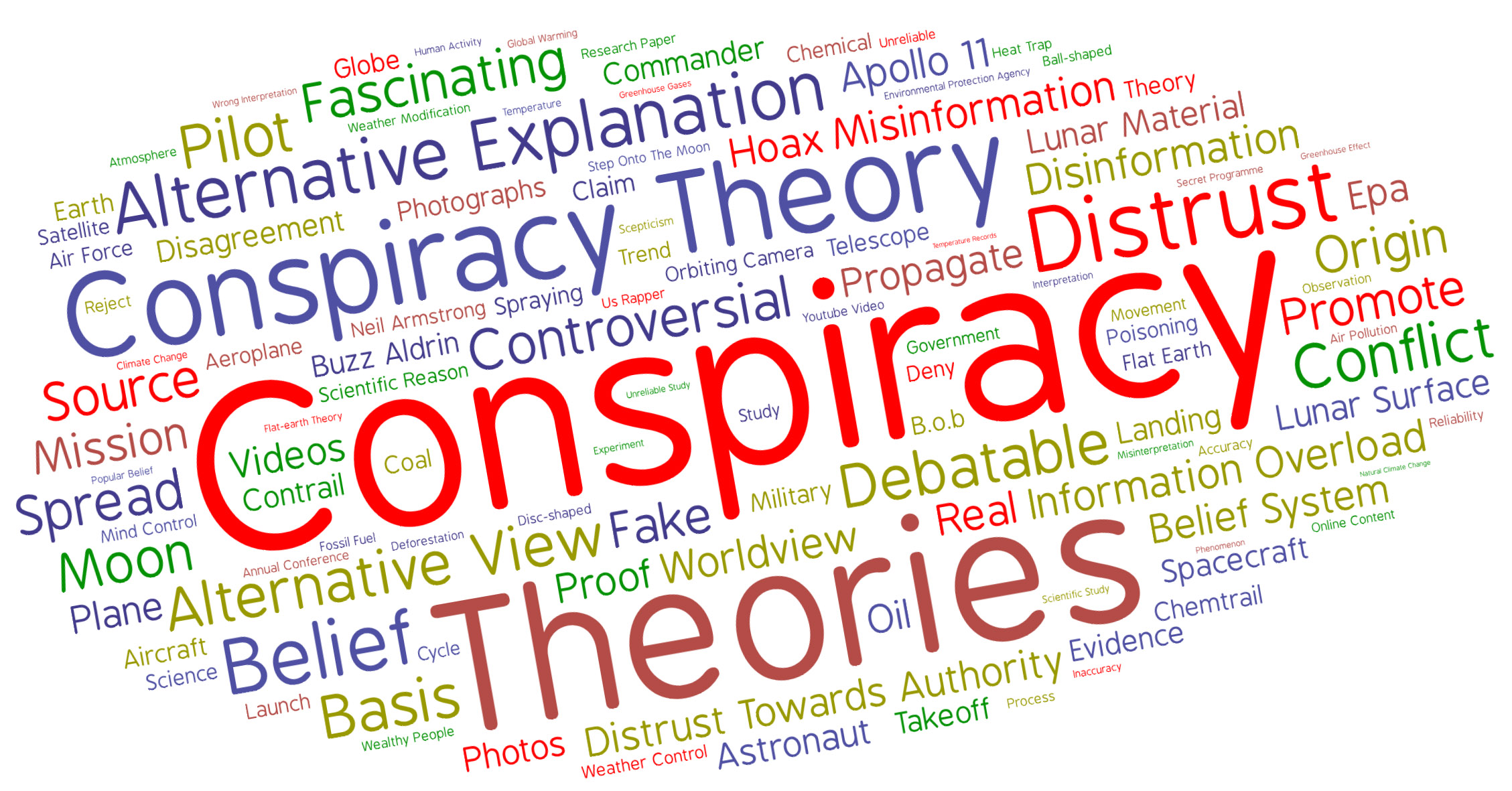
4 Crazy conspiracy theories (B1 - B2)
October 2025
CAE Reading and Use of English Practice Test 1 Printable (2024 edition)
YouTube: C1 Advanced Teresa and Antonio
YouTube: C1 Advanced Pedro and Isabela
September 2025
A Devoted Son by Anita Desai
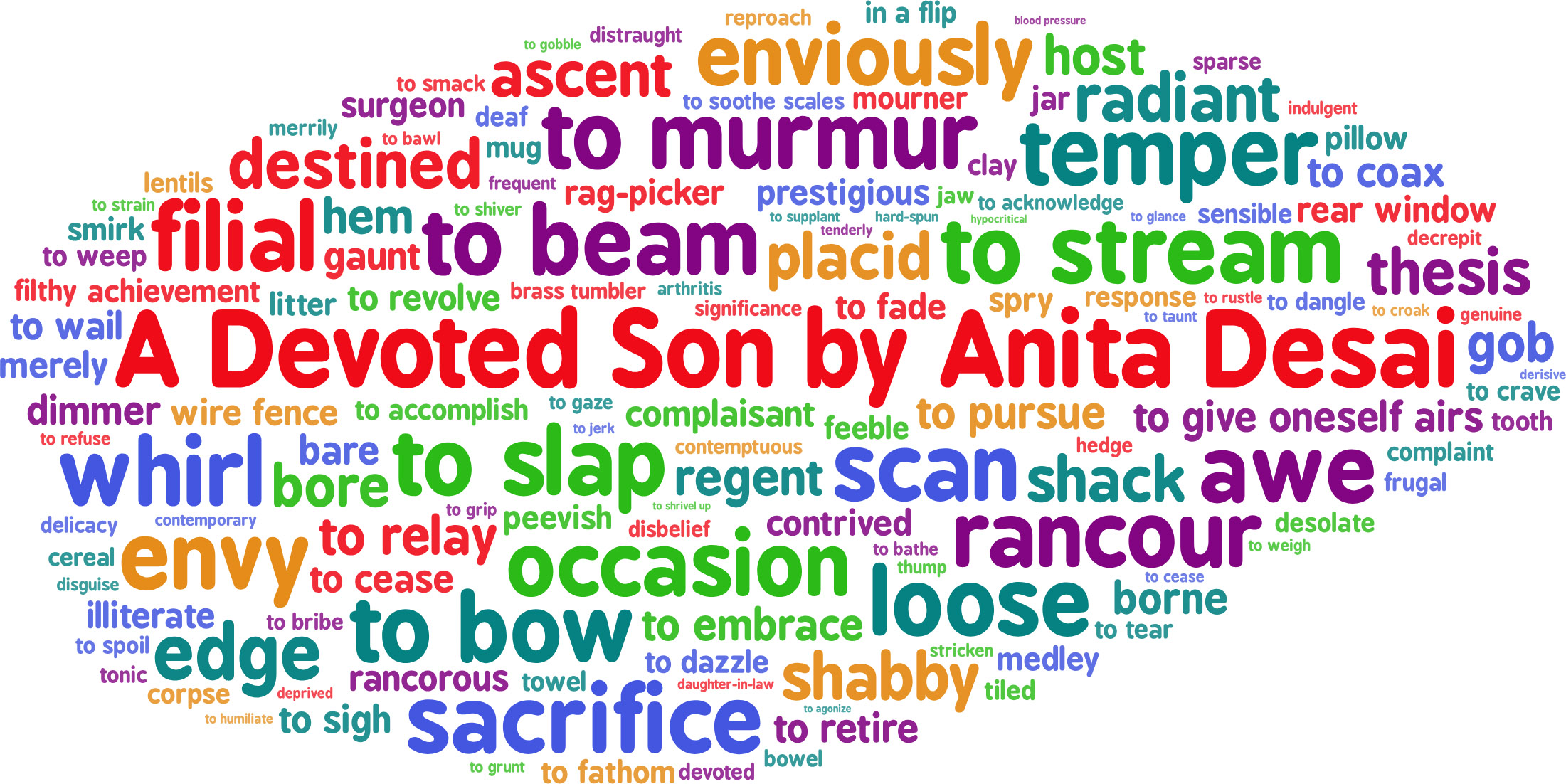
This short story can be found online, here.
The story with marked, relevant words (pdf)
You can listen to this short story on YouTube: